

Art Belongs
Arts learning belongs in every young person’s education.
The campaign film
A short film by Anthony Grimes for Bonfils-Stanton Foundation, about six minutes. One of four films made for the campaign.
Watch the film→We went through decades of research on arts education so you do not have to. Here is what holds up.
See every source→of Colorado’s 187 school districts have no certified theatre teacher
The students who gain the most from arts education are the least likely to have access to it
Colorado leaves the arts optional and collects no data on who gets them. Nationally, the children who had the least arts education lost the most of it.
Colorado districts with no certified theatre teacher
59 have no certified music teacher and 48 no certified visual arts teacher. Credentialed arts teachers fell 5% between 2021 and 2024. Licensure records show who is employed, not what students take.
The State of Arts Education in Colorado Public Schools, Colorado Business Committee for the Arts and Think 360 Arts for Learning, December 2025. Supported in part by Bonfils-Stanton Foundation and Colorado Creative Industries
Colorado is one of only two states that collects no arts course data
The arts are in Colorado’s academic standards, but there is no statewide instructional requirement for elementary, middle or high schools, and the state does not collect data on course-level arts offerings. It cannot currently say which children are missing out.
Colorado Senate Resolution 26-003, adopted March 2, 2026
Drop in childhood arts education for Black young adults
Between 1982 and 2008, the share of 18 to 24 year olds who had any arts education as children fell about 49% for Black Americans and 40% for Hispanic Americans. The decline for white young adults was described as insignificant.
Rabkin & Hedberg, National Endowment for the Arts Research Report 52, 2011
more likely to earn a bachelor’s degree: low-income students with intensive arts in high school
What changes when the arts are there
The research on arts education is decades deep. Here are the findings we would stake the page on. How each one was measured is listed in the sources.
Better attendance, most for students at risk
Following Boston students for more than a decade, arts classes were linked to better attendance, most of all for students at risk of chronic absence.
Bowen & Kisida, Educational Policy, 2024. Boston Public Schools, 2008-09 to 2018-19
Better writing, more empathy, fewer discipline problems
42 Houston schools were picked by lottery to get more arts learning, reaching 10,548 students in grades 3 to 8. Writing improved, compassion for others rose and discipline infractions fell by 3.6 points. There was no gain in math, reading or science.
Kisida & Bowen, Journal of Policy Analysis and Management, 2023. Funded by Houston Endowment, the NEA and the Spencer Foundation
More tolerance after one museum visit
Students picked by lottery for a single art museum field trip showed stronger critical thinking, more tolerance and more historical empathy. Live theater trips show the same tolerance gain.
Greene, Kisida & Bowen, 2014. Greene et al., 2018
Low-income students who did not finish high school
Low-income teenagers with few or no arts courses were five times as likely not to finish high school as those with many: 22% against 4%.
Catterall, Dumais & Hampden-Thompson, National Endowment for the Arts, 2012
Social and emotional growth in early childhood
A review of 18 studies of children up to age eight found that music, dance, drama and visual arts helped social skills and emotion regulation, at least in the short term.
Menzer, The Arts in Early Childhood, National Endowment for the Arts, 2015
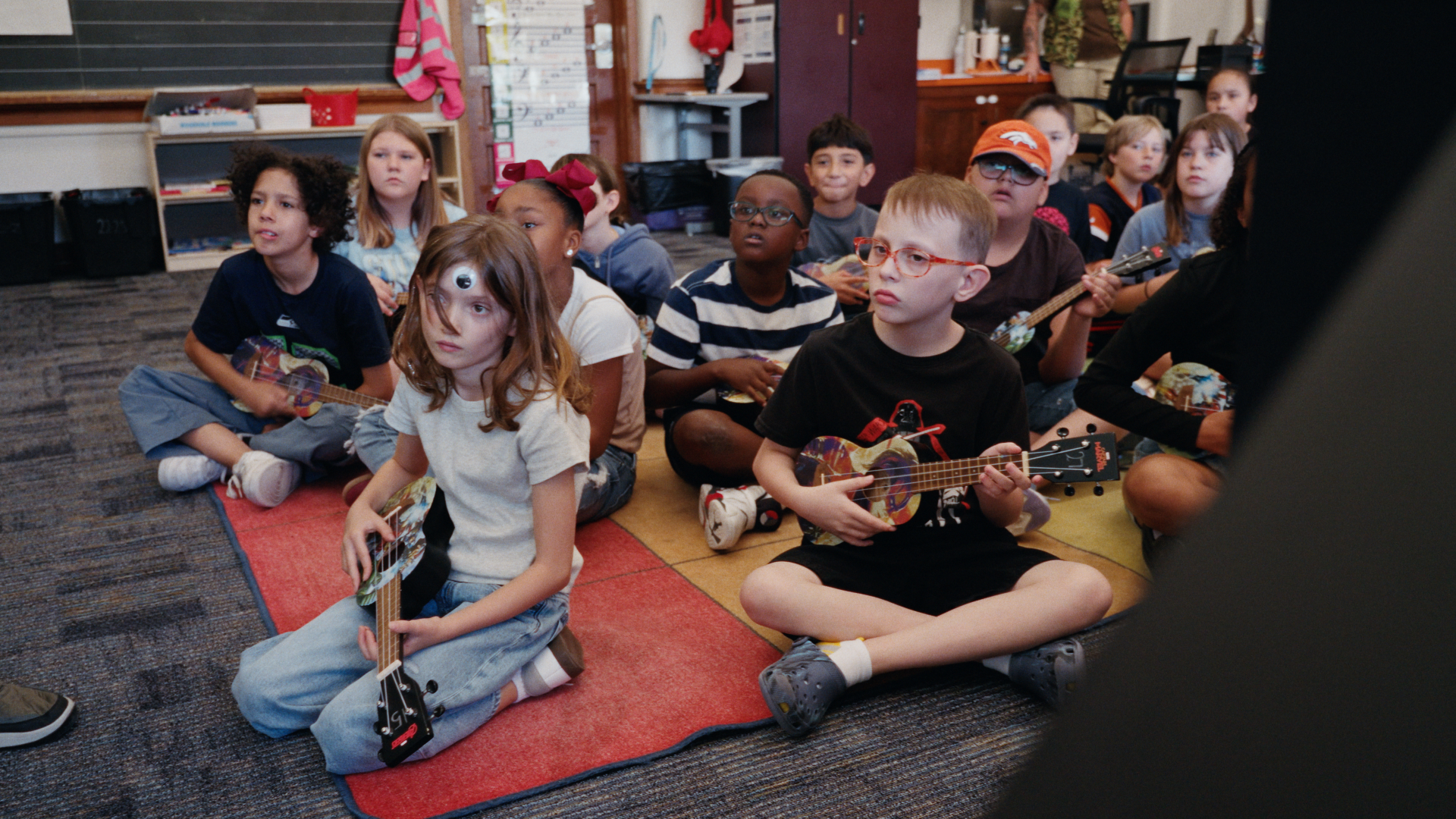
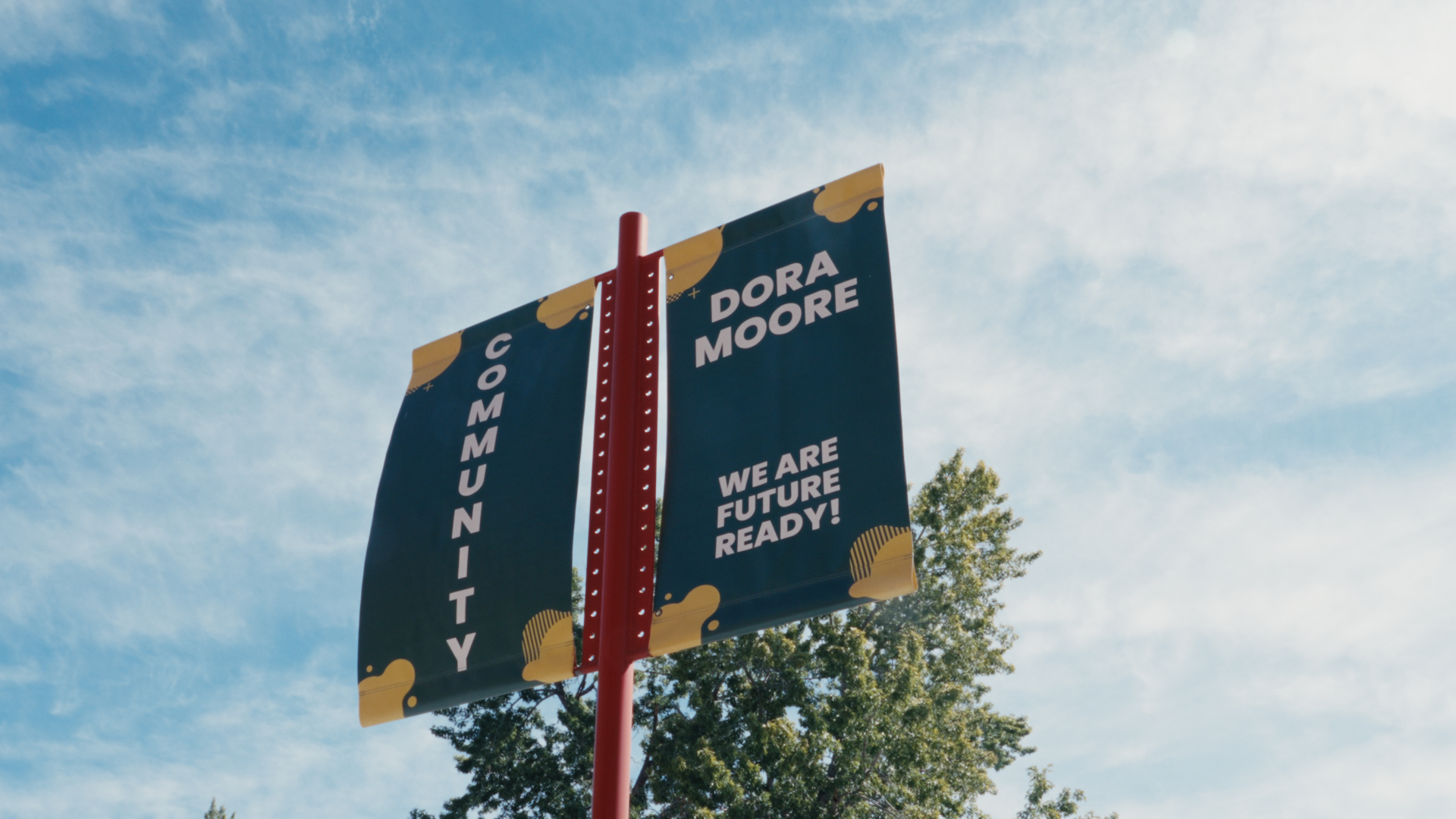
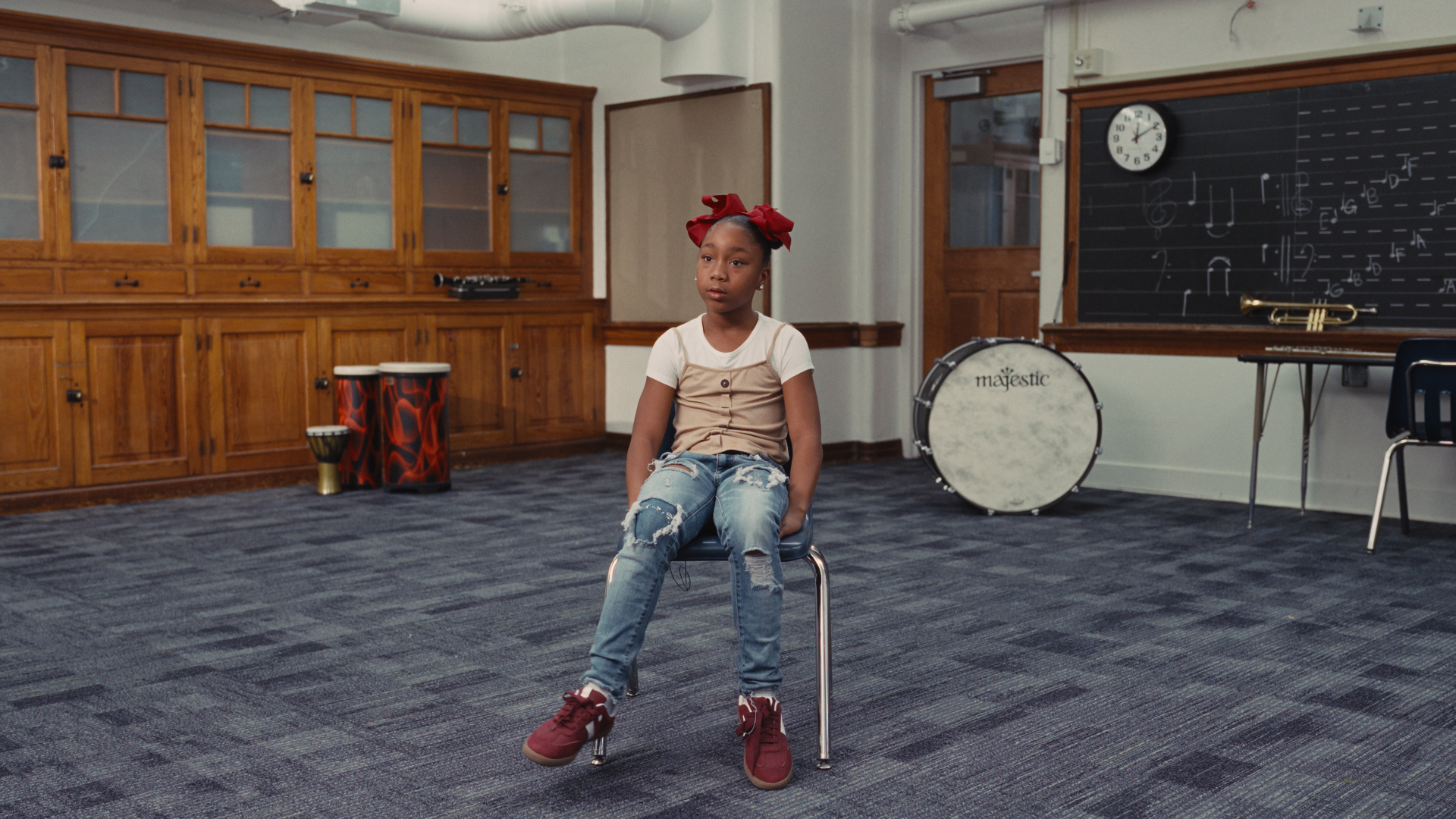
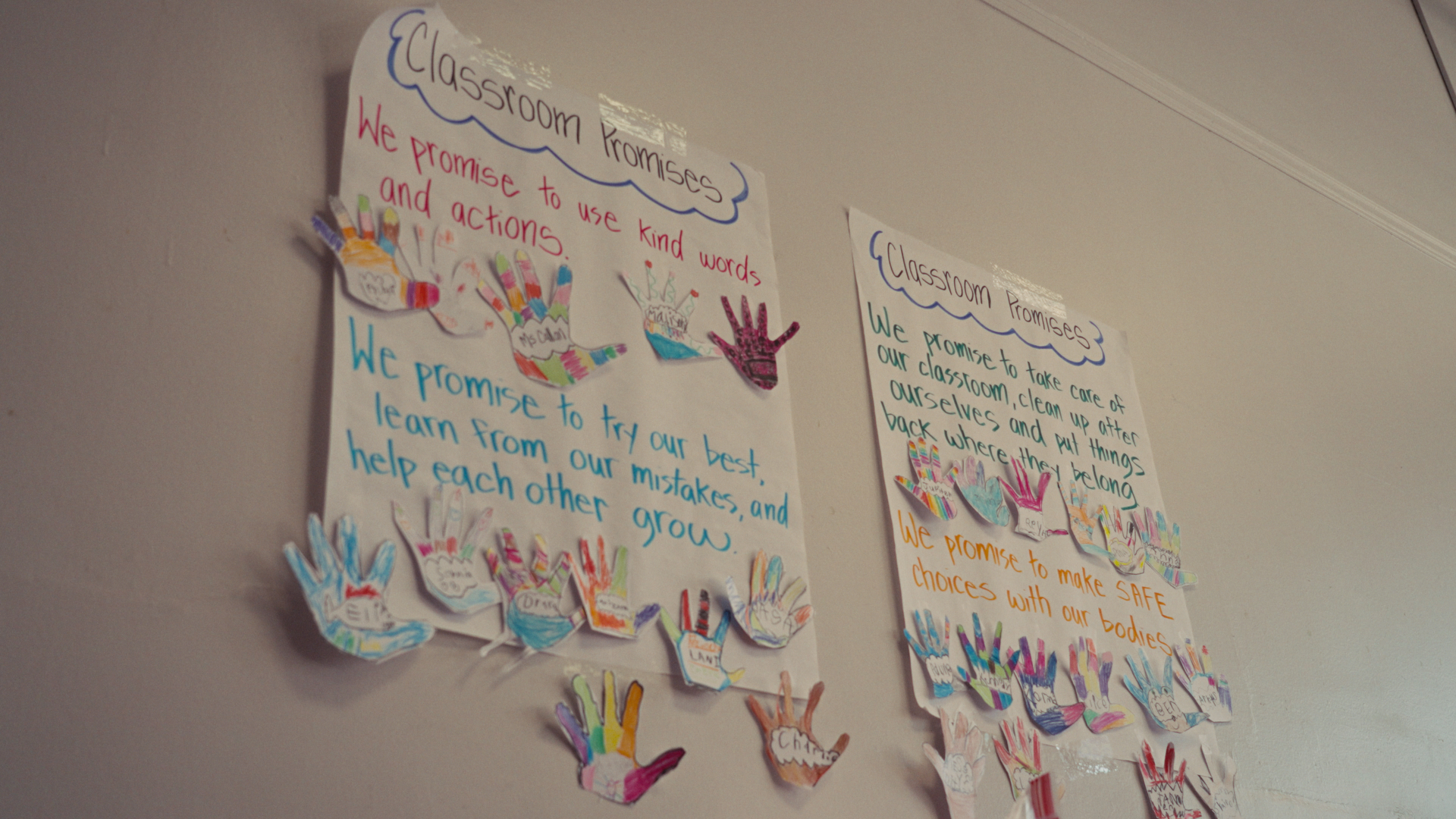
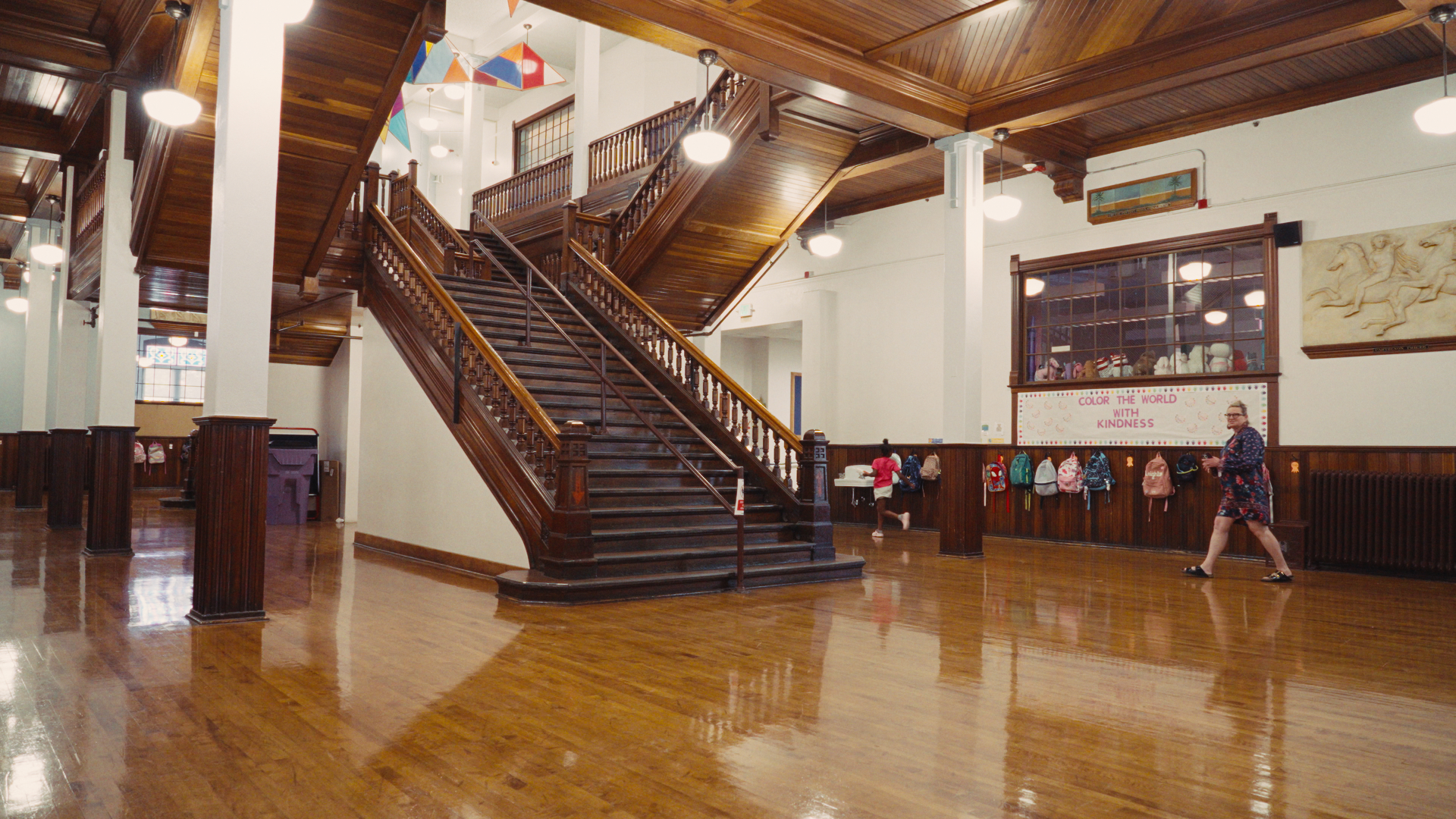
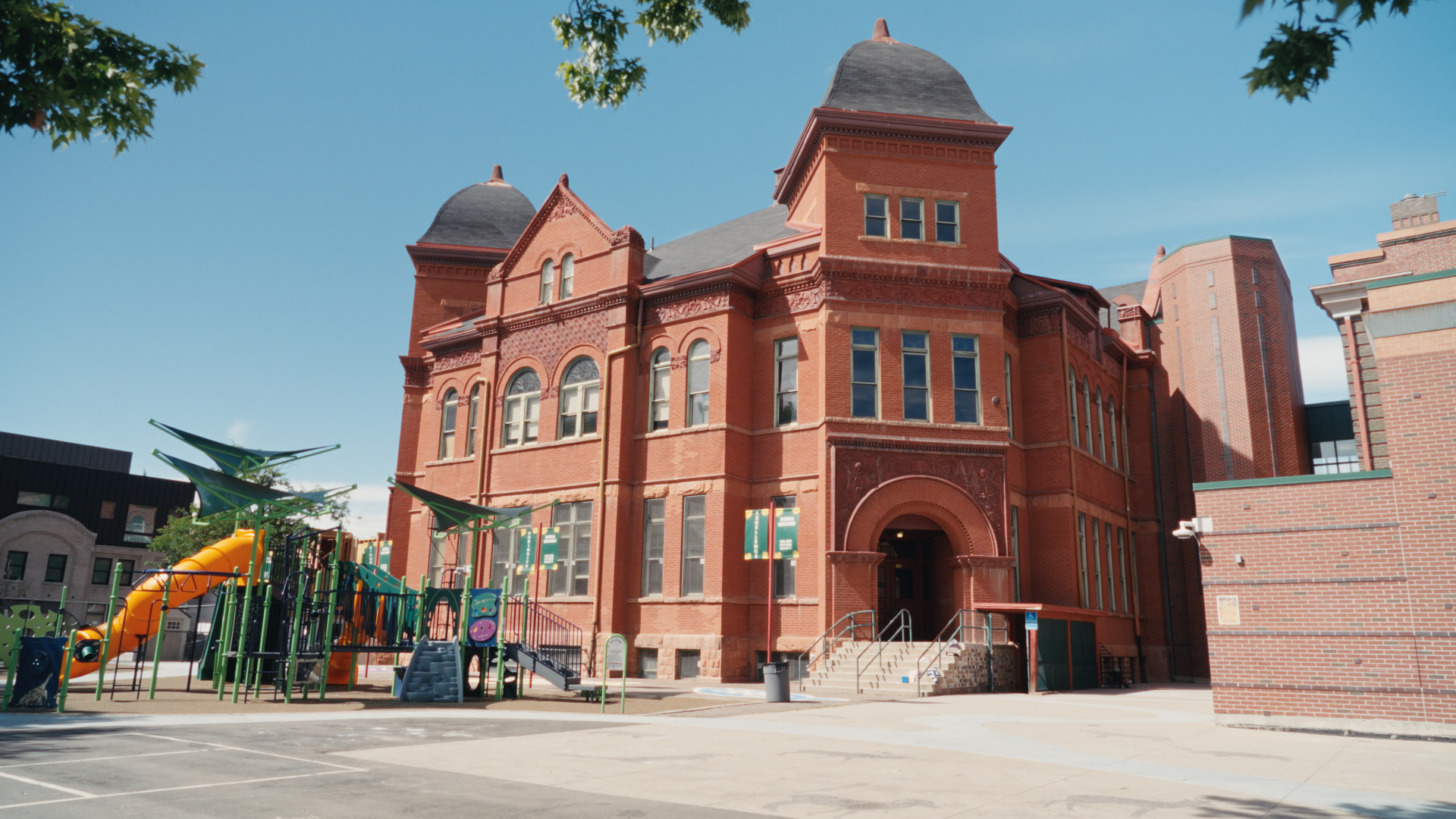
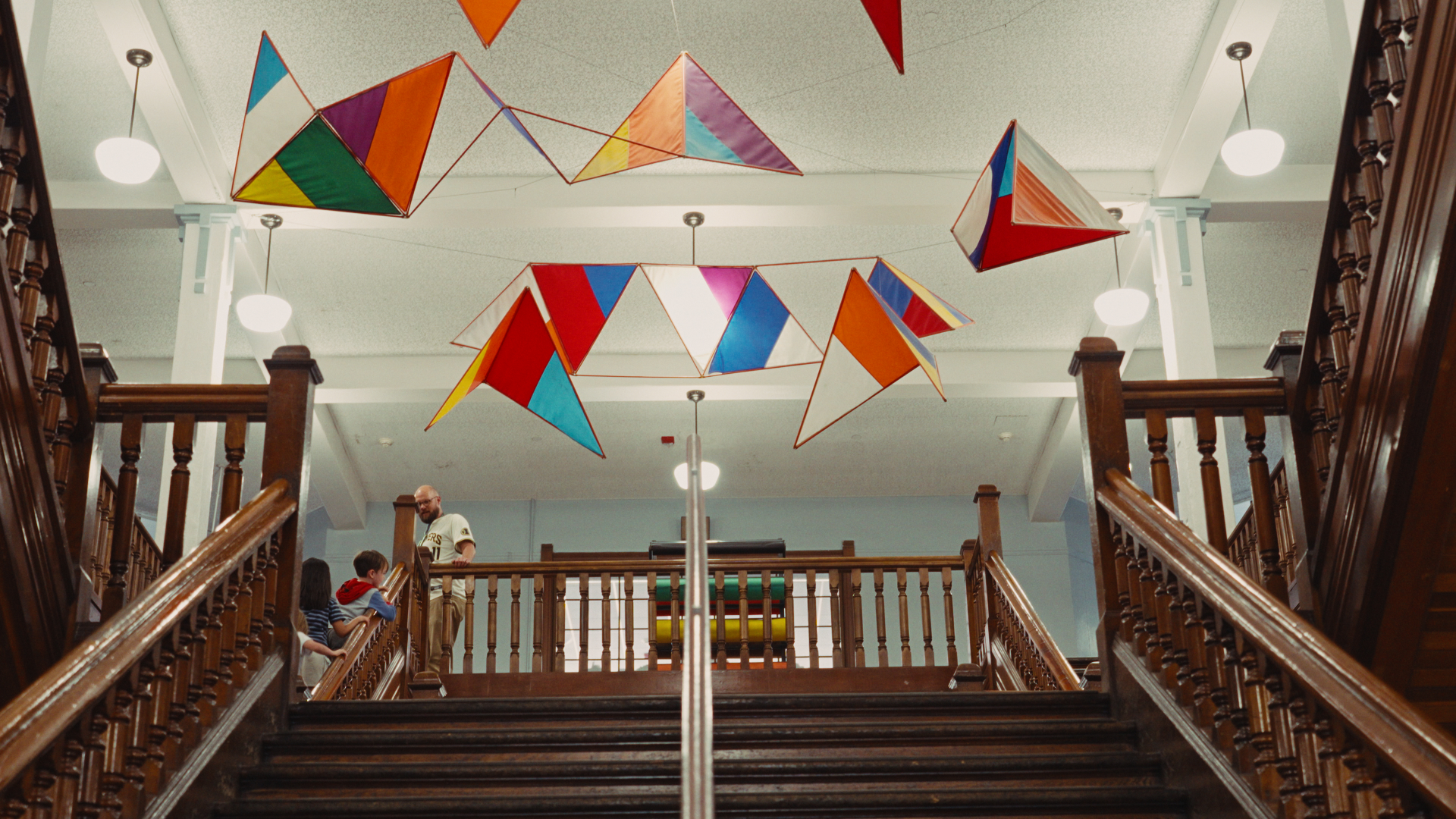
Stills from the campaign film by Anthony Grimes
Arts and culture are part of Colorado’s economic base
added to Colorado’s economy by arts and cultural production
of the state economy
Coloradans employed in arts and cultural industries
creative thinking’s rank among the core skills employers need most, in a 2025 survey of more than 1,000 employers
U.S. Bureau of Economic Analysis and National Endowment for the Arts, Arts and Cultural Production Satellite Account, 2023 data. Creative thinking: World Economic Forum, Future of Jobs Report 2025.
invested through Equity in Arts Learning, reaching 24 schools and organizations across 11 counties this year
Who is closing the gap
Daring leaders across Colorado are already doing the work: teaching artists, educators and arts organizations bringing sustained arts learning to the young people who have had the least of it, in urban and rural communities. Equity in Arts Learning, now in its third year, funds them with grants of $10,000 to $25,000 in music, theatre, dance, visual arts, digital media, storytelling and literature. It is a partnership of Colorado Creative Industries, Bonfils-Stanton Foundation and Denver Arts & Venues, administered by Think 360 Arts for Learning.
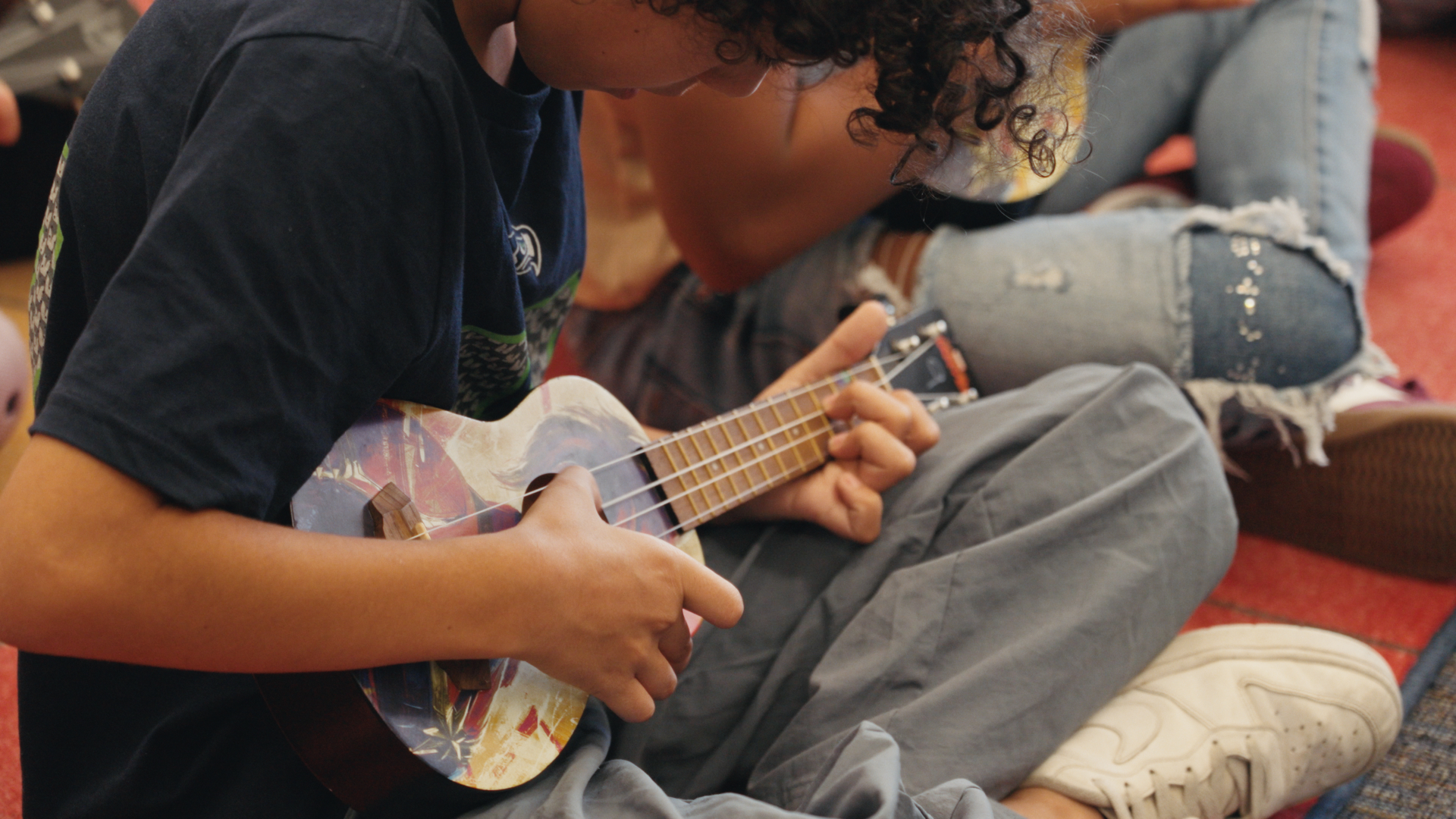
Their stories are at the center of this campaign, in three short films by Anthony Grimes.
Ask the students at Dora Moore Elementary what music class means to them and they will tell you it is where they can express themselves, where they belong, and where no one judges them.
“Practice does not make perfect. It makes permanent.”
Student, Dora Moore Elementary
Join the campaign
Get the films, stories and research as they’re released, plus news of the Arts Education Summit in March 2027.
Help close the gap
The gap is still wide. Here’s where you come in.
Come to the Arts Education Summit
March 2027, with the Colorado Business Committee for the Arts.
Save the date→Apply for funding
Schools and arts organizations can send an Equity in Arts Learning letter of intent until November 2026 at think360arts.org/grants.
Apply now→Become a funding partner
Foundations and businesses can add to the Equity in Arts Learning pool.
Become a partner→Speak up locally
Make the case for arts education to your school board, district and legislators.
Use the research→About the campaign
A statewide campaign from Bonfils-Stanton Foundation, running from October 2026 through spring 2027 with our Equity in Arts Learning partners: Colorado Creative Industries, Denver Arts & Venues and Think 360 Arts for Learning. It invites educators, families, funders and legislators to help widen access across Colorado.
Watch and read
Four films
Directed and produced by Anthony Grimes for Bonfils-Stanton Foundation. Three follow Equity in Arts Learning grant partners: Education Through Music Colorado at Dora Moore Elementary, the Colorado Conservatory for the Jazz Arts at Cowell Elementary and the University of Northern Colorado’s Latinx Music program in Greeley. The fourth is a documentary on the state of arts education in Colorado.
Watch the films→Stories
Articles and a BSF Conversation by Lisa Kennedy and BSF’s resident journalists, with leaders in the arts education field.
Read the stories→Research
The December 2025 policy briefing on arts education in Colorado public schools, from the Colorado Business Committee for the Arts and Think 360 Arts for Learning.
Read the briefing→Key dates
Sources
Bonfils-Stanton Foundation and Colorado Creative Industries supported the Colorado arts education report, and Bonfils-Stanton Foundation produced the campaign films. The National Endowment for the Arts funded the Catterall report and helped fund the Houston trial. Sources are grouped by how each study was done, strongest first.
Lottery studies
Schools or people were picked by lottery, so the study can show the arts caused the change.
Kisida & Bowen (2023). Investigating the causal effects of arts education. Journal of Policy Analysis and Management, 42(3).
Greene, Kisida & Bowen (2014). The educational value of field trips. Education Next, 14(1). Greene et al. (2018). Educational Researcher, 47(4).
Long-term studies
The same people were tracked for years. The link is strong, but it is not proof.
Catterall, Dumais & Hampden-Thompson (2012). The Arts and Achievement in At-Risk Youth. National Endowment for the Arts.
Bowen & Kisida (2024). Investigating arts education effects on school engagement and climate. Educational Policy, 38(5).
Reviews
Studies that combine the results of many others.
Menzer (2015). The Arts in Early Childhood: Social and Emotional Benefits of Arts Participation. National Endowment for the Arts.
Counts and surveys
Numbers from state or federal records, or from asking people. They show the size of a gap or what people reported.
Colorado Business Committee for the Arts and Think 360 Arts for Learning (2025). The State of Arts Education in Colorado Public Schools, Grades Pre-K to 12.
Think 360 Arts for Learning (2025). Arts educator licensure data.
Colorado Senate Resolution 26-003 (2026). Designate March Arts Education Month.
Rabkin & Hedberg (2011). Arts Education in America: What the Declines Mean for Arts Participation. NEA Research Report 52.
U.S. Bureau of Economic Analysis and National Endowment for the Arts (2023 data). Arts and Cultural Production Satellite Account.
World Economic Forum (2025). Future of Jobs Report 2025.
Equity in Arts Learning program data.


